

 75 Gr. Koloniari Street, Ampelokipoi, Thessaloniki
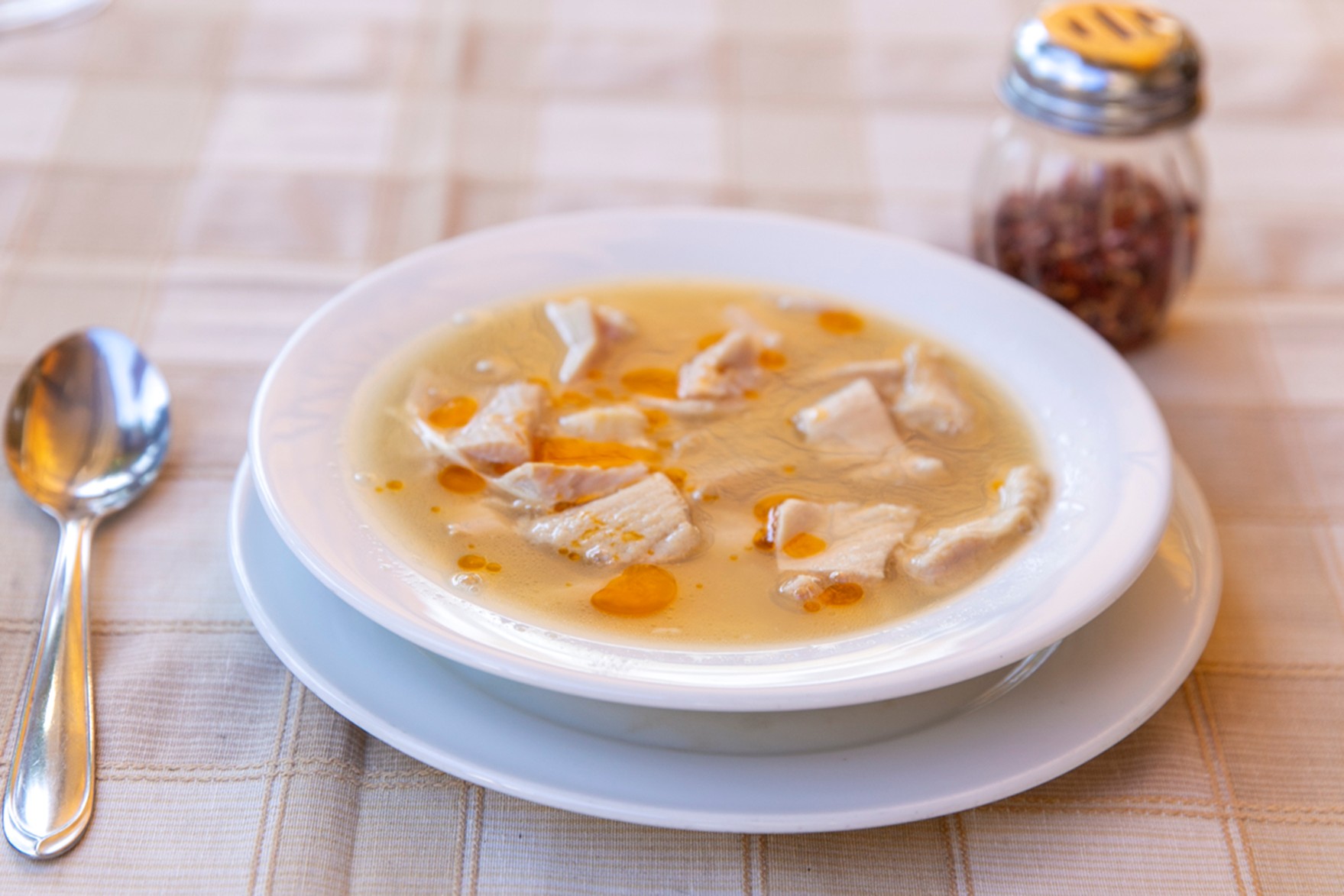
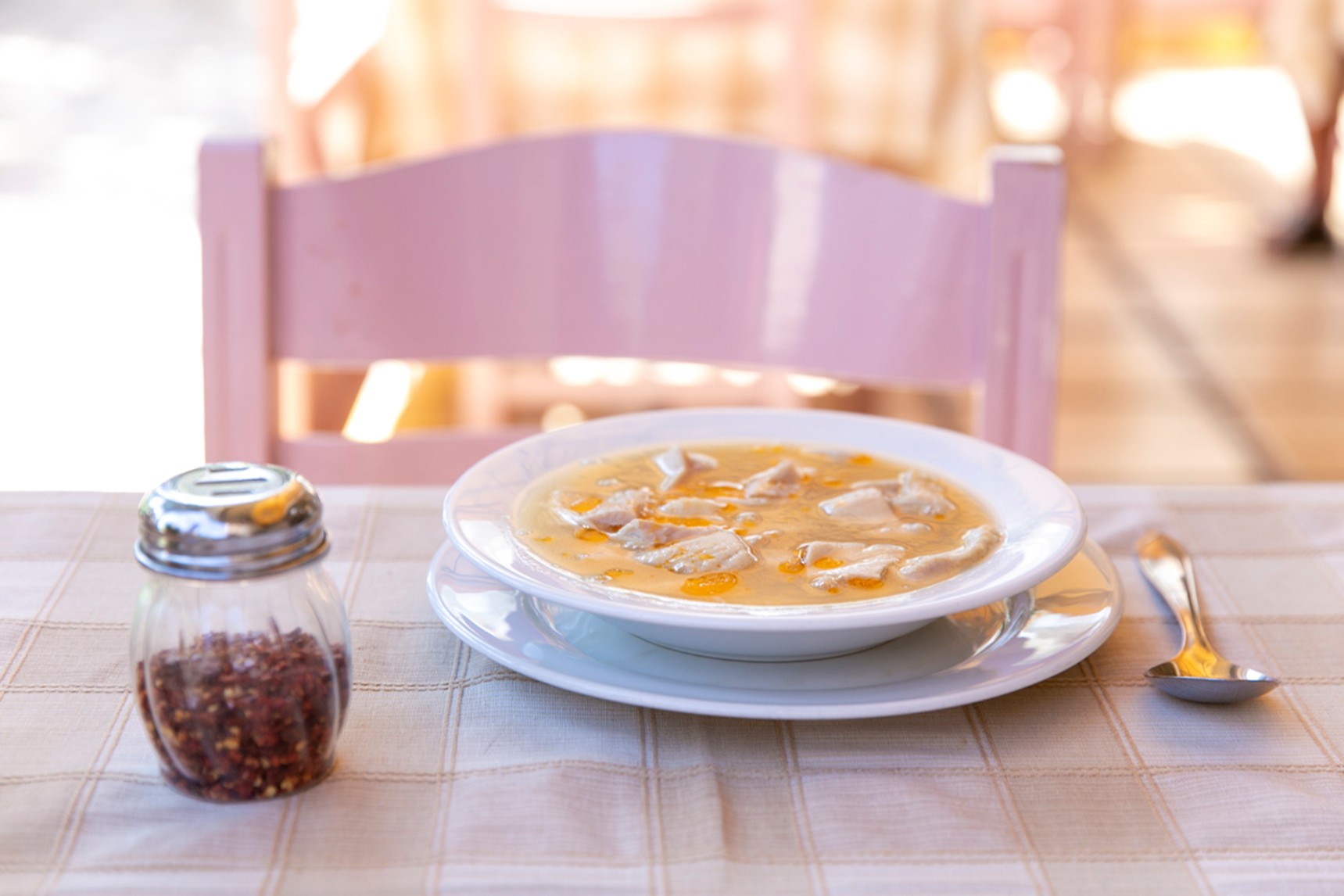
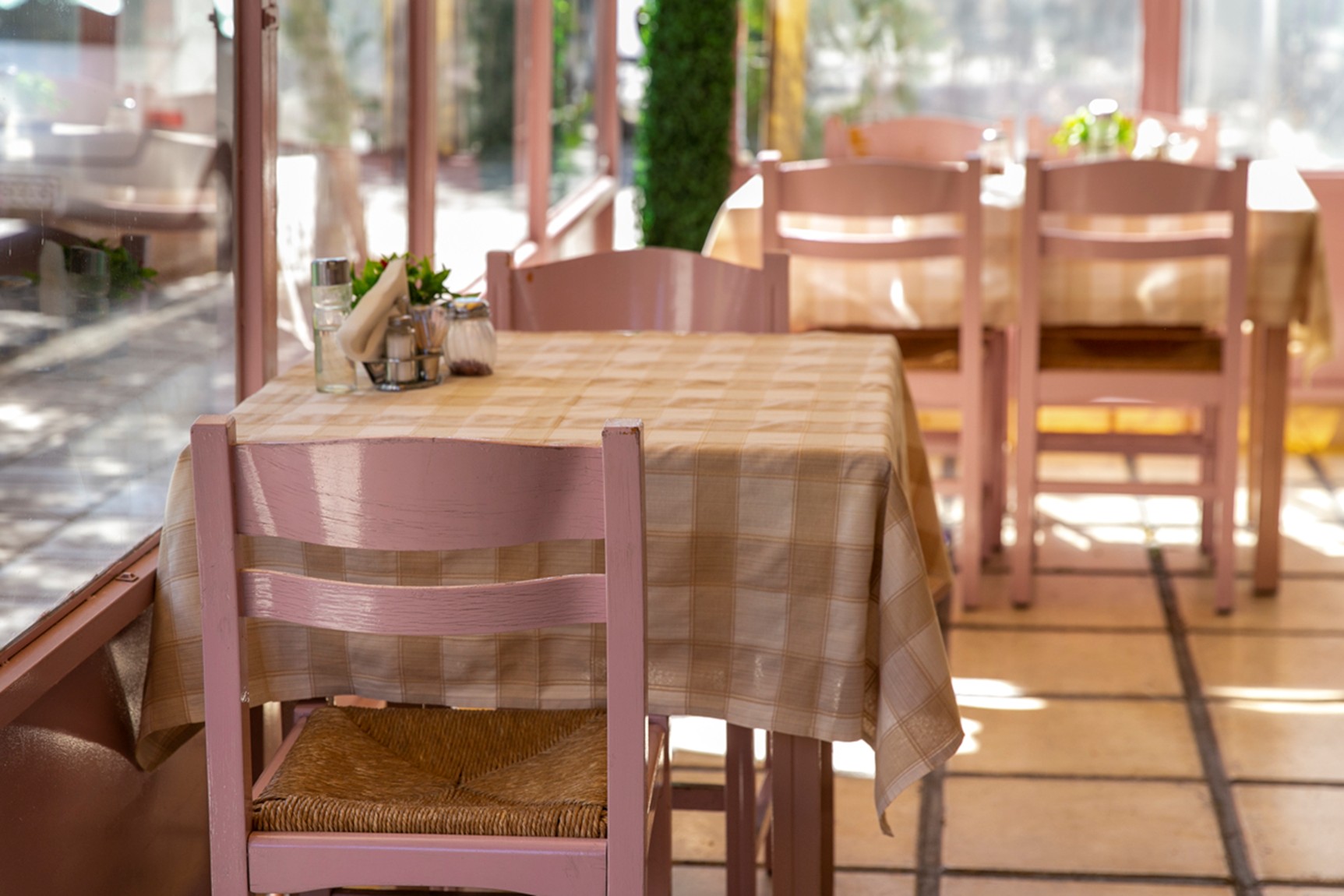
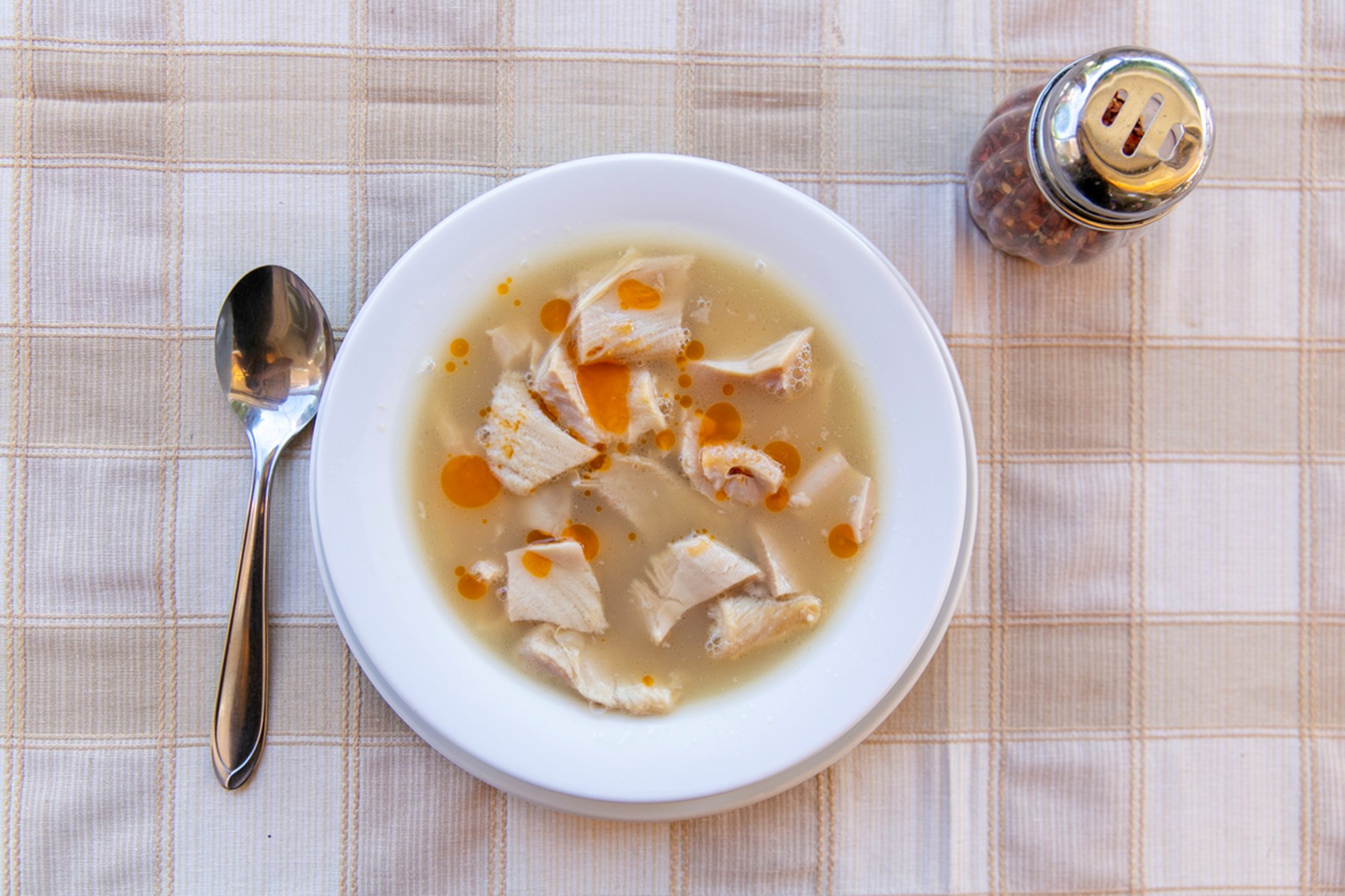
Thessaloniki has a long-standing tradition of patsas, and one of the city’s best-known places to enjoy this much-loved dish is the traditional patsatzidiko I Pantermos in Ampelokipoi.
I Pantermos is one of the establishments that have kept this culinary tradition alive, continuing to serve this warm and comforting dish that many consider particularly restorative after a late night and plenty of drinks. Almost like a remedy, you might say.
Although references to patsas are relatively scarce, an entire book has been devoted to it, written by Thessaloniki authors Lena Kalaitzi-Ofledi and Simo Ofledi, a couple who devoted considerable time to researching this distinctive part of the city’s culinary heritage.
According to the authors, the exact origins of patsas are difficult to determine, as historical records are limited. In their book, “Patsatzidika of the East in Western Thessaloniki”, they refer to patsas as a Persian culinary tradition and describe it as a dish traditionally eaten by nomadic communities the day after a wedding, precisely because of its restorative qualities following a night of rich food and little sleep.
A second theory, meanwhile, traces patsas back to antiquity and the melas zomos, or “black broth”, consumed by soldiers in southern Greece and Macedonia to help them cope with the harsh conditions of military life. This theory is also used to explain the popularity of patsas further east, where Macedonian soldiers of antiquity are believed to have introduced the dish.
When Greek refugees from Constantinople later settled in Greece, they brought with them their customs, traditions and crafts, including the art of making patsas. According to the authors, they brought it in a form that was “more refined in terms of flavour, with an added touch of entrepreneurial development”.
A woman at the helm and a century-old family tradition
The story of I Pantermos in western Thessaloniki follows a similar path. The owners come from a family of patsas makers whose roots lie in the area of the same name on the Bosphorus, from where their great-grandfather came to Greece. Today, the family business is perhaps unique in Greece in being represented by a woman who has mastered the craft of making patsas.
Since 2001, with this distinctive dish at the heart of its menu, the establishment has gradually expanded its offering to include home-style cooked dishes and soups, with around 20 different options available each day. Patsas is served in all its traditional variations, 24 hours a day, seven days a week, in a process that is almost a ritual for the “akrokatharistes” – the traditional name for the specialist makers of patsas.
It could hardly be any other way, since this is, after all, the quintessential meal for those who have stayed out until the early hours!
The menu
Beef patsas – made with tripe or trotters – is served here in all its traditional forms. Beyond the patsas, it is well worth trying the beef head, magiritsa soup, youvarlakia and, every Monday, Wednesday and Friday, a selection of tasty pulses and legumes.
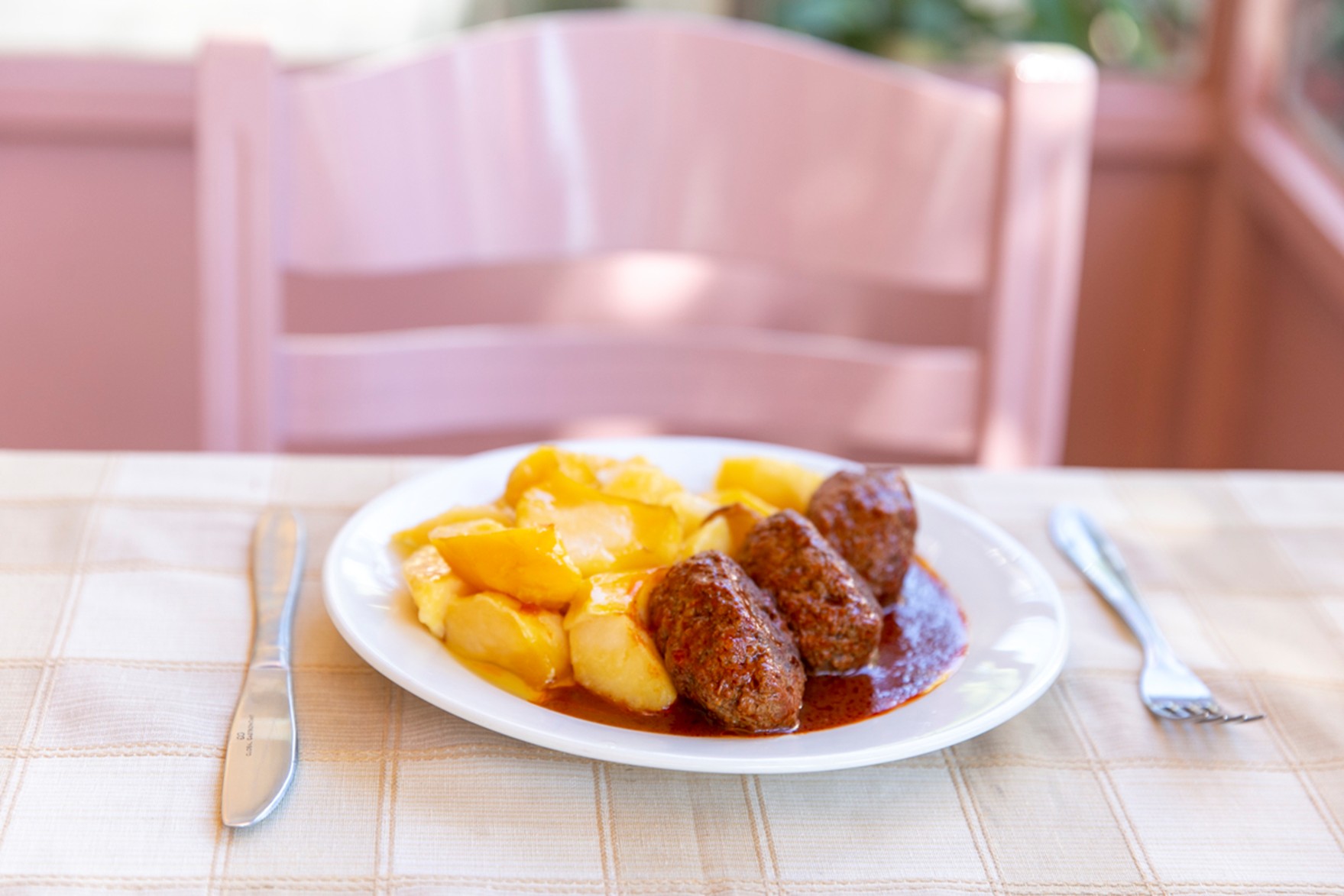
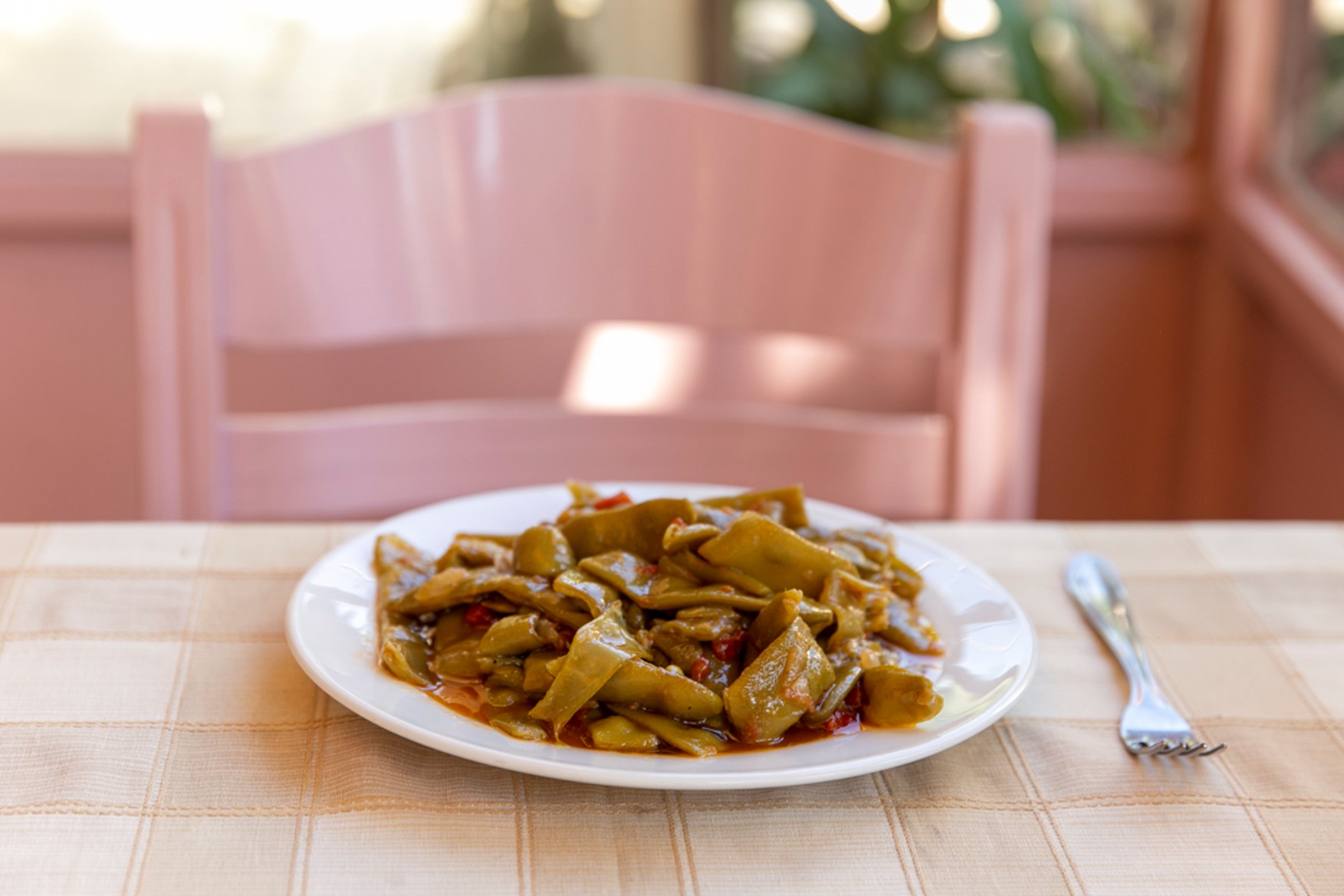
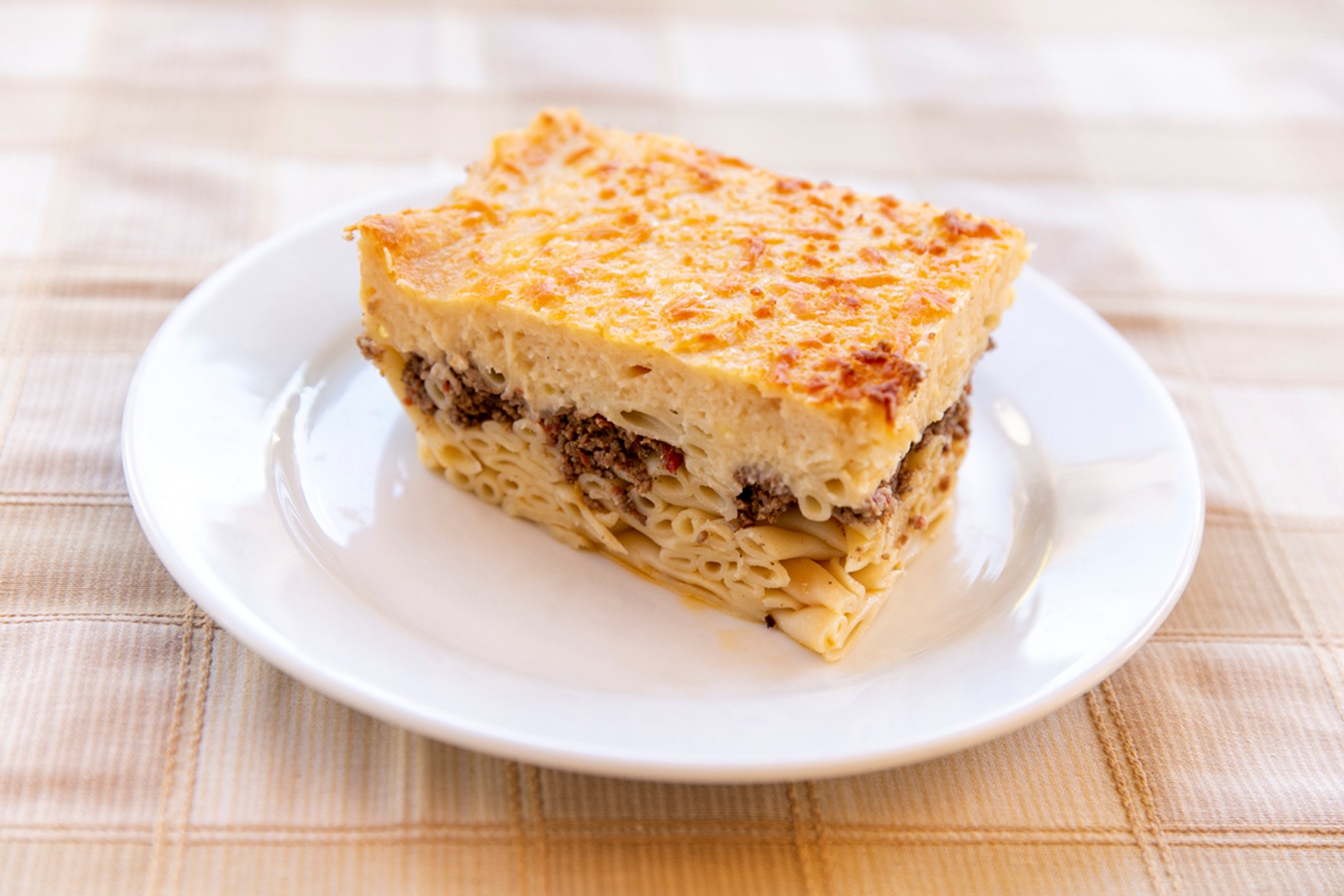
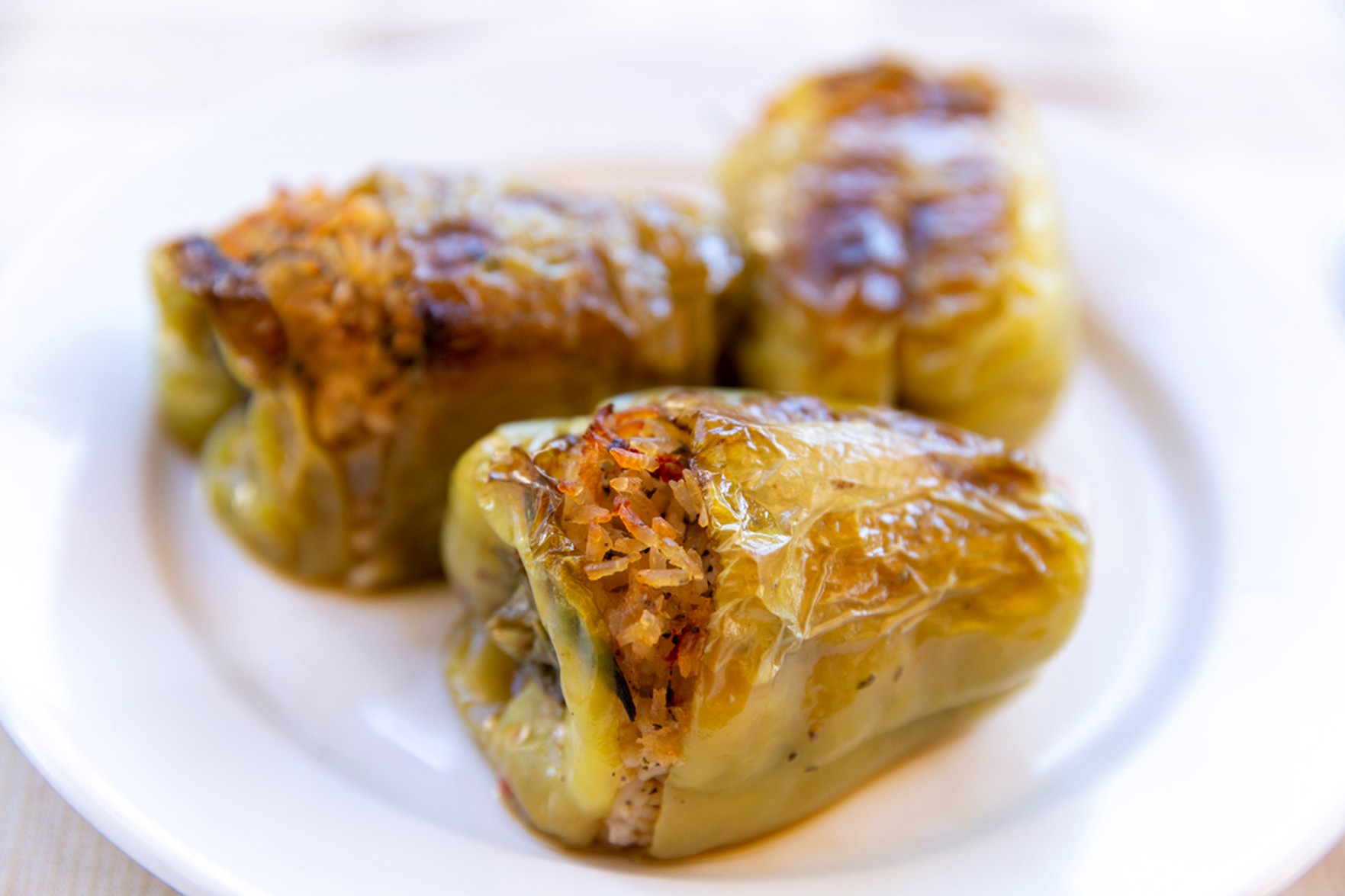
Among the most popular alternatives are soutzoukakia in tomato sauce, pastitsio, gemista, green beans and peas. These are ideal choices if you are not a patsas fan, fancy trying something different, or simply have not had quite enough of a late night!
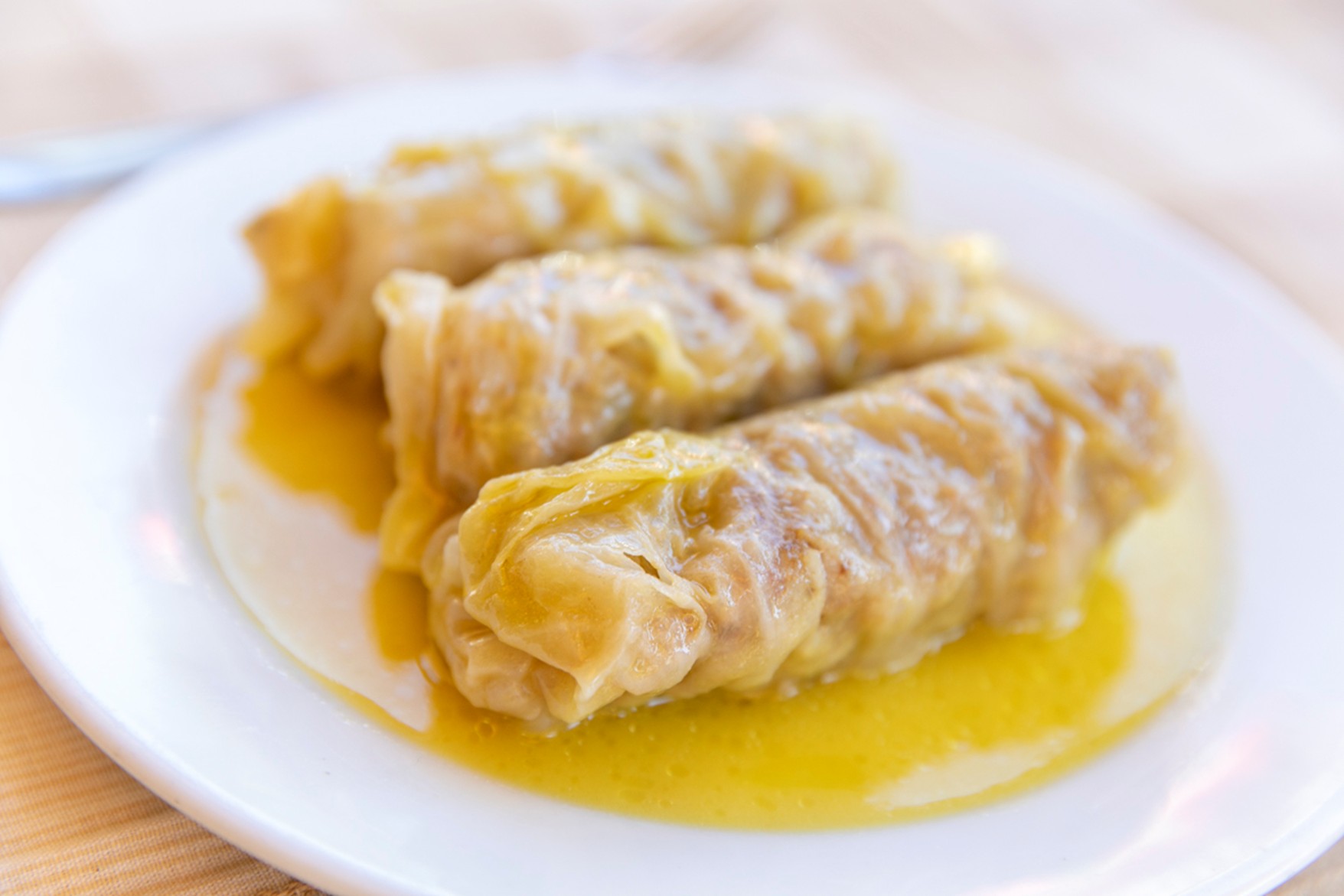
If you are lucky, you may also find delicious handmade cabbage rolls at I Pantermos.
And then there are the desserts. Vanilla custard and rice pudding are two traditional favourites that never fail to satisfy, even after a hearty meal – whatever time of day it may be.
Whatever you choose, you can accompany your meal with beer, retsina, house wine, ouzo or tsipouro, and we would definitely recommend trying different combinations.
For a fascinating introduction to the world of patsas from the head of the family himself, Efthymis Perdiki, listen here.
Tip: Everything on the menu can also be ordered for delivery through e-food, so you can enjoy it in your own space.